
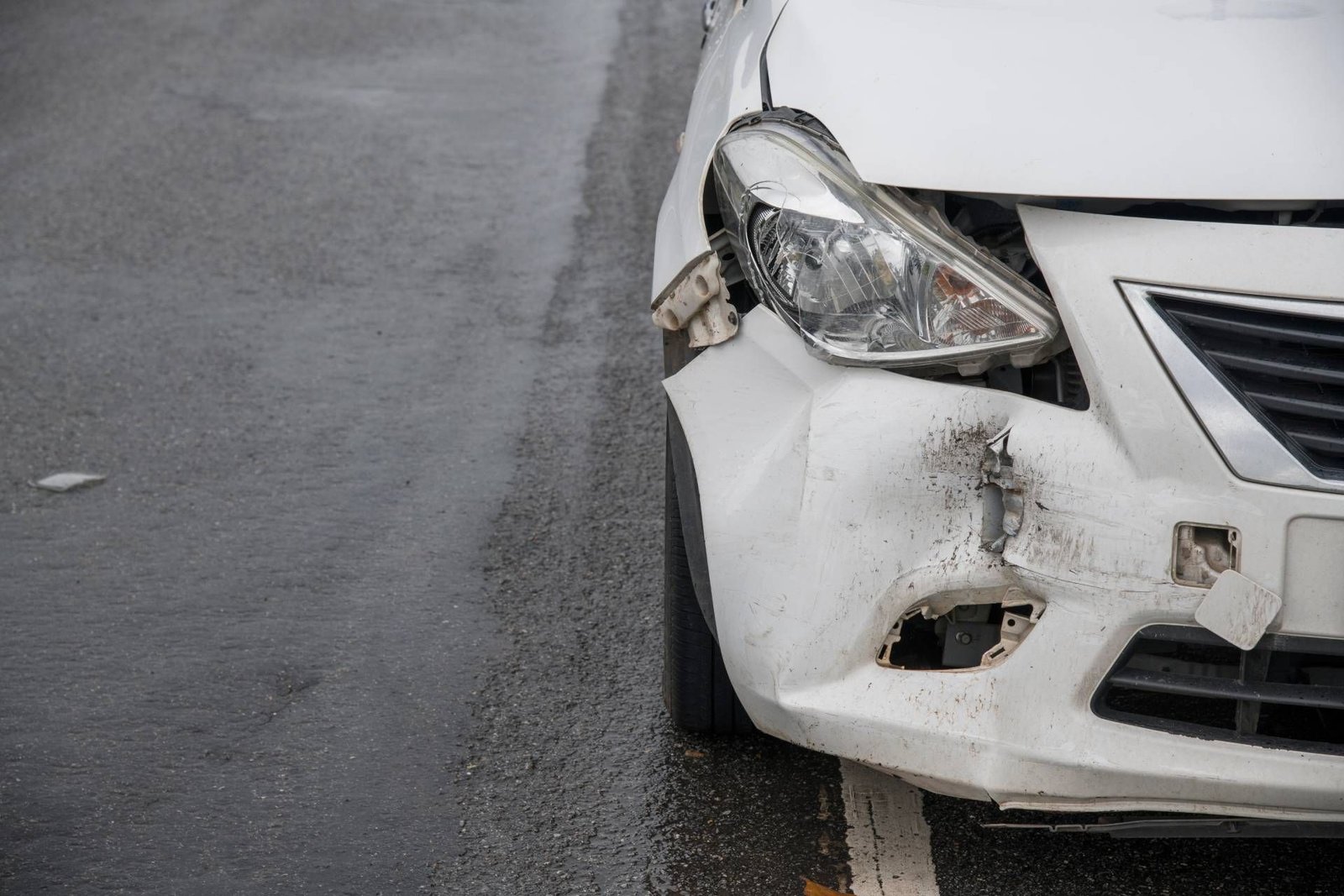
Quick answer: Modern safety technology genuinely reduces how often accidents happen — but it also makes even minor collisions far more expensive to repair. Collision coverage isn’t pricing your driving habits. It’s pricing what it now costs to fix a car once something goes wrong, and that cost has changed dramatically.
I hear this question all the time, and I understand exactly why people ask it.
Cars now come with automatic emergency braking, blind-spot warnings, lane-departure alerts, rear cross-traffic sensors, and cameras pointed in what feels like every direction at once. So naturally, someone will call me and say, “If cars are this much safer, why does my collision coverage keep going up?”
It’s a fair question, and the answer usually surprises people.
Cars really are safer. I’m not going to argue with that. But they’re also a lot more expensive to fix. And collision coverage was never really priced around how careful a driver is. It’s priced around what it costs to repair the car after something goes wrong — and that number has changed more than most people realize.
Before we look at why collision repairs have become so expensive, it helps to understand the bigger picture. 15 Invisible Things Raising Your Florida Auto Insurance Rates explains many of the hidden factors that influence what Florida drivers pay.
Fewer Accidents, Bigger Bills
Nobody disputes that modern safety technology cuts down on accident frequency. A lot of the minor fender-benders that used to happen constantly just don’t happen anymore.
But here’s the part that catches people off guard: insurance companies aren’t just watching how often claims happen. They’re watching how much a single claim costs once it does — and today, one collision claim can easily run what three or four claims used to cost years ago.
This is exactly why I keep telling clients that auto insurance isn’t something you buy once and forget about. It’s something you have to manage over time, the same way I explain in Auto Insurance Isn’t Just a Policy — It’s a Process — and that idea matters more now than it ever has.
That “Plastic Bumper” Isn’t Plastic Anymore
This is the part that genuinely catches most drivers off guard.
What looks like a simple bumper today isn’t just a piece of plastic anymore. It’s closer to a computer housing. Behind it you’ll usually find sensors, cameras, wiring harnesses, and control modules, all of them constantly talking to each other while the car is moving.
Years ago, a low-speed rear-end bump usually meant some paint and a bumper cover, and that was the end of it. Today, that exact same impact can mean sensors, wiring, programming, and diagnostics — and suddenly a car that still drives perfectly fine has a repair bill in the five- or six-thousand-dollar range.
Collision coverage isn’t really paying for bodywork anymore. It’s paying for technology.
The Cost Nobody Talks About: Calibration
Here’s another expense most drivers never hear about until they’re sitting in the middle of a claim.
Modern safety systems don’t just get bolted back on and work automatically after a repair. Many of them need to be precisely recalibrated to factory specifications, which means special equipment, trained technicians, and extra labor time. Even something as routine as a windshield replacement can now trigger camera and sensor recalibration.
From the insurance side, that’s simply unavoidable cost, and it adds up fast. It’s also part of why I pay close attention to timing when I set up a policy — deductibles and coverage structure matter differently depending on when changes happen, which is something I go into more in Why Timing Can Make or Break Your Florida Auto Insurance Quote.
Modern vehicles don’t just contain more technology to repair—they’re also capable of collecting far more driving data than many people realize. Is Your Car Talking to Your Insurance Company? explains how connected vehicle technology and telematics can affect insurance.
Repairs Take Longer — and That Costs More Too
It isn’t just that parts cost more now. It’s that they take longer to get.
A lot of these sensors are model-specific, and electronics aren’t sitting on a shelf the way they used to. While a car waits on a part, it’s usually parked in a shop — often with a rental car running in the background the entire time.
From an insurance standpoint, a claim doesn’t stop growing the moment the impact happens. It keeps growing until the repair is actually finished. That extra time is exactly what turns a modest collision into a much more expensive claim.
Why Cars Are Getting Totaled Faster Than Ever
This one tends to surprise people the most.
Cars are being declared total losses for damage that looks perfectly repairable to the driver standing there looking at it. But once you add up labor, parts, sensors, calibration, and the time it all takes, the math sometimes just doesn’t work anymore — especially on a slightly older vehicle.
What looks fixable in the moment can quickly become a total loss on paper. And total losses mean larger payouts, which directly affect collision pricing across the board, not just for the driver in that accident.
Why This Hits Florida Drivers a Little Harder
Florida already sits in a higher-cost repair environment to begin with.
Between traffic density, labor rates, and longer repair timelines, collision claims here tend to run higher than the national average. In high-volume metro areas like Tampa auto insurance and Jacksonville auto insurance markets, even a routine fender-bender can turn into a high-dollar claim. It’s not that drivers there are more reckless — it’s congestion, delays, and technology-heavy vehicles pushing the cost up.
That’s part of why collision coverage often rises fastest in those markets. It has less to do with driving behavior and more to do with repair economics.
Repair costs also vary depending on where you live. Traffic congestion, theft rates, claim frequency, and labor costs all play a role, which is why Why Your ZIP Code Can Affect Your Florida Auto Insurance Rate is another important piece of the pricing puzzle.
The Bottom Line
Cars really are safer than they used to be, and that’s a genuinely good thing.
But a “small accident” isn’t small anymore, at least not on the repair bill.
Collision coverage hasn’t gone up because drivers suddenly got worse at driving. It’s gone up because the technology sitting inside the car changed the math behind every repair.
That’s why I tell Florida drivers not to treat auto insurance like a one-click purchase. It’s a long-term strategy — one that has to account for vehicle value, repair costs, deductibles, and timing, all working together.
Auto insurance today isn’t just about protecting a car. It’s about managing the cost of the technology built into it.
Related Florida Auto Insurance Guides
Whether you’re buying a new policy, comparing quotes, understanding Florida insurance laws, or looking for ways to lower your premium, these in-depth guides will help you make more informed insurance decisions.
• Florida Auto Insurance – Start with our complete guide to buying, comparing, and understanding Florida auto insurance from the ground up.
• Florida Auto Insurance Coverage and Claims – Learn how liability, collision, comprehensive, uninsured motorist coverage, and the claims process work before you ever need them.
• Florida Auto Insurance Laws and Requirements – Understand Florida’s insurance laws, minimum coverage requirements, FR-44 and SR-22 filings, and the legal responsibilities every Florida driver should know.
• Safe Driving & Saving Money – Discover the many factors that influence your premium, practical ways to reduce your insurance costs, and how smart driving habits can help you save over time.
• Florida FR-44 Insurance – Everything Florida drivers need to know about FR-44 insurance after a DUI, including filing requirements, reinstatement, non-owner policies, and affordable coverage options.
Continue Reading About Safe Driving & Saving Money
If you found this guide helpful, these articles explain some of the most common Florida auto insurance questions in greater detail:
- The 15 Invisible Things Raising Your Florida Auto Insurance Rate (That No One Ever Explains) – Start with our complete Safe Driving & Saving Money guide to learn about the hidden factors that influence your Florida auto insurance premium and the practical steps you can take to keep your costs down.
- Florida Auto Insurance Quotes: Why Timing Matters as Much as Price — Learn why the day you shop for insurance can influence both your options and your premium.
- The Reports Behind Every Florida Auto Insurance Quote — Discover the reports insurance companies review before calculating your rate.
- Why Your ZIP Code Can Raise (or Lower) Your Florida Car Insurance — See how location affects premiums, even for drivers with identical records.
- What Snapshot, Drivewise, and Every Other Telematics App Really Do to Your Rate — Understand how driving-monitoring programs can lower—or sometimes increase—your insurance costs.
- Your Car Might Be Talking to Your Insurance Company — Learn how connected vehicle technology is changing the way insurers collect driving data.
- Cars Are Safer Than Ever… So Why Has Collision Coverage Never Been More Expensive? (current article) — Find out why advanced safety technology has also made many repairs significantly more expensive.
- Florida Auto Insurance Rates Are Finally Dropping in 2026 — Here’s What Changed — A closer look at the market conditions that led to declining premiums.
- Florida Auto Insurance: Rate Cuts and Refunds in 2026 (Archived) — Historical reference documenting insurer refunds and temporary rate reductions.
- Progressive Florida Rebate 2026 (Archived) — Background on Progressive’s rebate program and its place in recent market history.
- Progressive Florida Rebate Credit (Archived) — Learn why Progressive issued rebate credits, who qualified, and what those refunds meant for Florida policyholders during that unique period.
About the Author
Written by Clifford Schimek – Florida Auto & FR-44 Insurance Expert
I help Florida drivers every day with auto insurance quotes and FR-44 filings. My goal is to make everything simpler and less stressful, no matter where you live in the state. Questions about collision coverage and repair costs come up often, and I’m always glad to walk through what your policy actually covers before you need it. If you ever need help or just want a straight answer, you can always call or text me directly.
Clifford Schimek – Florida Auto & FR-44 Insurance Expert
Call or text: 305-796-2968