Archived Post — This article records a 2026 licensing change and is retained for historical reference. For the broader framework and links to current official information, see current Florida auto insurance laws and requirements.
Starting February 6, 2026, Florida is making a major change to how driver’s license exams are given.
According to the Florida Department of Highway Safety and Motor Vehicles, all Florida driver’s license exams — including the written knowledge test and the driving skills test — will be administered in English only.
That means:
-
No more written exams in Spanish, Haitian Creole, or other languages
-
No interpreters during testing
-
No translated versions of the official exam
Everyone taking a Florida driver’s license test will need to understand and complete it in English.
For a state with large bilingual communities — especially in places like Miami, Orlando, Tampa, and Jacksonville — this is a big shift, and it’s going to catch a lot of people off guard.
Let’s break down what this means in real life — and how to prepare if English isn’t your first language.
Why Florida Is Making This Change
Florida officials say the goal is to ensure that all licensed drivers can:
-
Read road signs
-
Understand traffic laws
-
Follow instructions from law enforcement
-
Safely navigate emergency situations
Whether you agree with the policy or not, the reality is simple:
If you plan to get your Florida license after February 6, 2026, you must be able to test in English.
There are no exceptions.
What This Looks Like at Real Florida DMVs
How this change feels is going to depend a lot on where you’re testing.
At busy offices in Miami, you’ll probably still find bilingual staff at the front desk who can help explain paperwork or point you in the right direction. But once you’re called back for the actual exam, that help stops. The written test and driving portion will be English only — no interpreters, no translated questions.
In Jacksonville, I expect a lot of drivers will be surprised on test day, especially those who assumed the same language options would still be available like before.
And in more government-centered areas like Tallahassee, there may be even less informal language support up front — making preparation ahead of time even more important.
I work with drivers statewide, and I can tell you right now: this is going to catch people off guard.
Smart Study Tips to Pass the Florida License Test in English
If English isn’t your first language, the smartest move is to start preparing now — not the week before your appointment.
Here’s what I recommend:
Start with the Official Florida Driver Handbook (English Version)
Even if you also review Spanish materials, make sure your primary study source is the English handbook.
The test questions come directly from this content.
Tip: Read one section at a time, then summarize it out loud in your own words.
Learn Key Driving Vocabulary First
Focus on words you’ll definitely see on the test:
Yield
Right-of-way
Intersection
Pedestrian
Speed limit
School zone
No passing zone
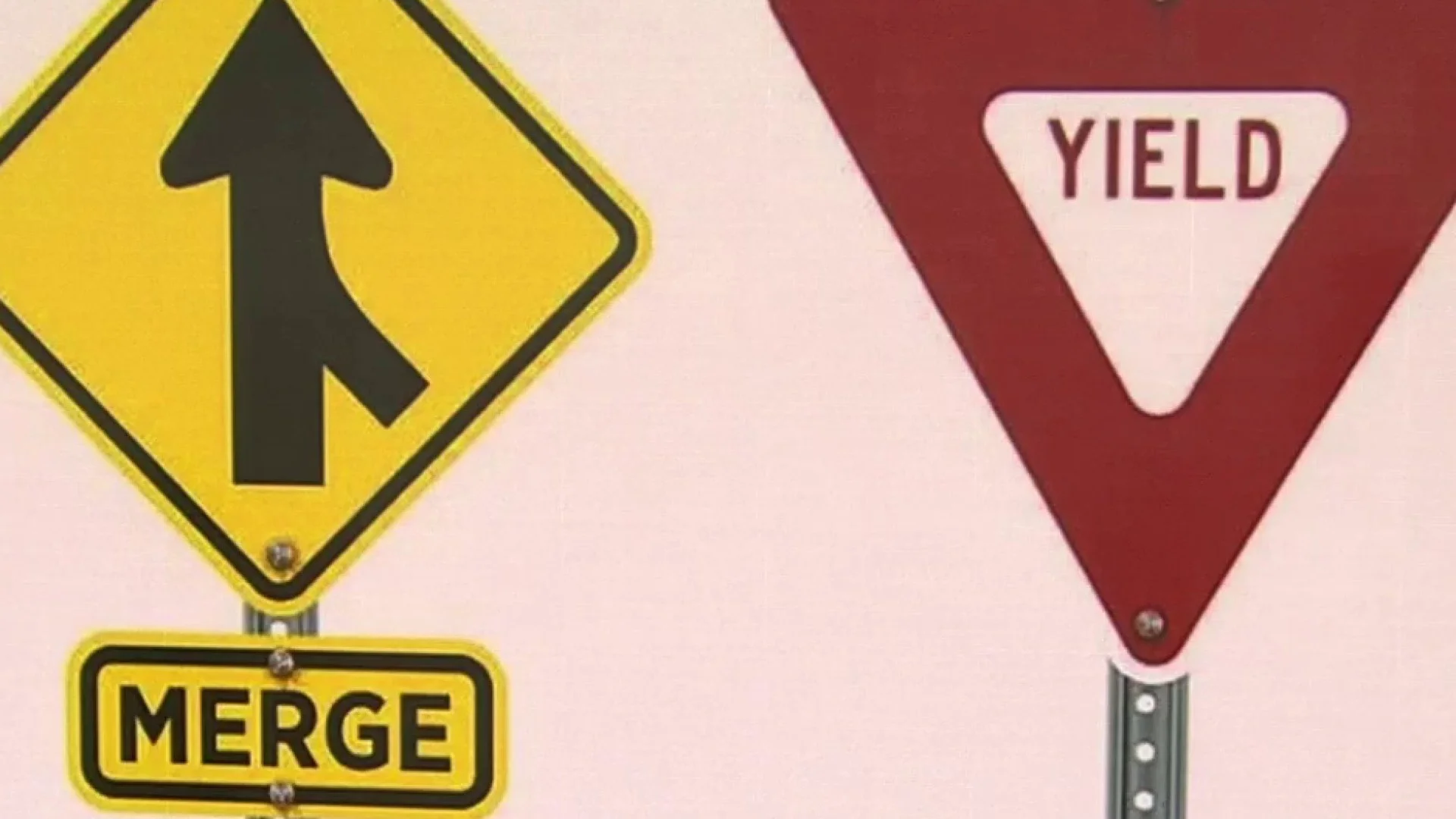
Merge
Write these down. Practice them. Use them in sentences.
This alone builds confidence fast.
Use Practice Tests in English (Even If You Review in Spanish)
A strong approach:
Study concepts in Spanish
Take practice tests in English
This trains your brain to recognize the wording you’ll actually face on exam day.
Practice Road Signs in English
Road signs are universal — the written questions are not.
Spend time memorizing warning signs, regulatory signs, and construction signs. This is one of the easiest sections to master with repetition.
What Happens After You Pass Matters Just as Much
I’ve already had conversations with families around Tampa who didn’t realize this change was coming. Many assumed their local DMV would still offer Spanish testing like before.
Unfortunately, once February 6 arrives, that won’t be the case.
If you’re preparing for your license in the Tampa Bay area, it’s worth getting everything lined up early — and once you pass, I help drivers every day with Tampa auto insurance quotes and first-time driver coverage so they don’t lose momentum after getting licensed.
The same thing is happening around Orlando. A lot of new drivers are focused entirely on passing the test, but forget that insurance is the next step — and that pricing can change fast depending on timing and household history. If you’re testing in Central Florida, I put together local guidance for Orlando auto insurance options for new and newly licensed drivers (anchor to your Orlando city page), because I see too many people rush into the first policy they’re offered without realizing they could save.
Once you get your license, you still need insurance before you can legally drive. I help new and existing drivers every day compare Florida auto insurance quotes and coverage options so they don’t end up overpaying or accidentally carrying the wrong protection.
And here’s something most people don’t realize:
Timing matters more than almost anything.
Starting a policy too early, too late, or during the wrong window can raise your rate for months or even years. I explain exactly how that works in why timing can make or break your Florida auto insurance quote.
If There’s Ever Been a DUI in the Household
This part is critical.
If you — or anyone living with you — has ever had a DUI, Florida doesn’t just require normal insurance. There’s a compliance filing involved, higher liability limits, and strict rules about payments and renewals.
I walk through that entire process in what Florida drivers need to know about FR-44 insurance filings, because this is one of those areas where mistakes get expensive fast if it isn’t handled correctly.
I’ve seen people lose coverage, get their license suspended again, or pay thousands more than necessary simply because no one explained this properly.
About Those Refunds and Credits You May Be Hearing About
Lately, a lot of my clients have been texting me asking why they’re seeing small credits or refunds on their statements — and whether they qualify for more.
Some do. Some don’t. Most had no idea it was even happening.
I broke that down in Florida auto insurance rebates and refunds — what drivers are seeing in 2026, and that post alone has already helped several drivers recover money they didn’t realize they were entitled to.
Need Help After You Get Your License?
If you or someone you know just got licensed (or is about to), I’m happy to help with:
Auto insurance quotes
First-time driver policies
Reinstatements
FR-44 filings
Coverage reviews
I work statewide and keep everything straightforward.