
Florida Auto Insurance Liability: How Much Is Enough?
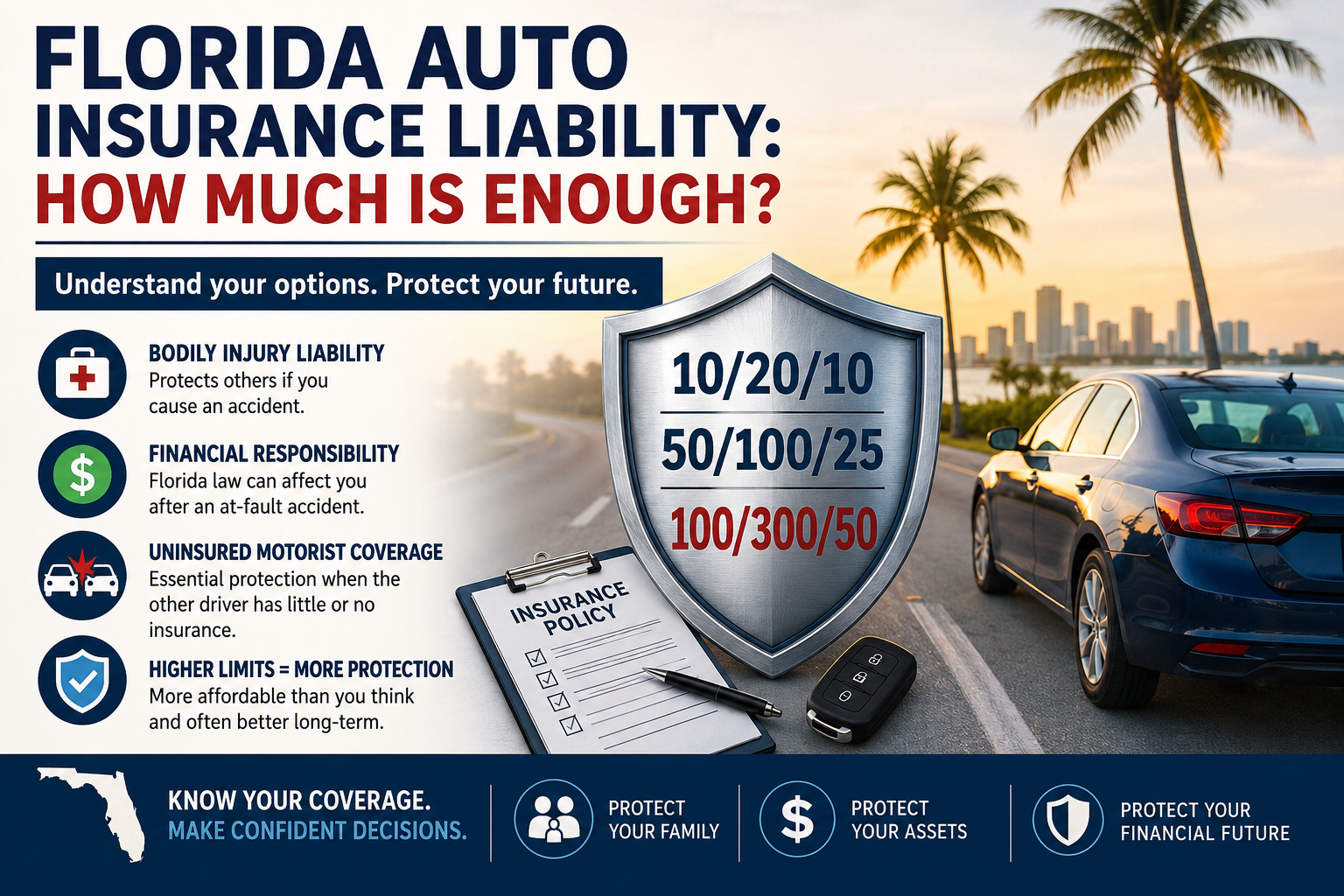
Florida doesn’t require bodily injury liability for most drivers — but the law can still hold you accountable. Here’s how much coverage is actually enough.
Explore our blog to learn about the requirements, filings, quotes, and more about our auto insurance options.

Florida doesn’t require bodily injury liability for most drivers — but the law can still hold you accountable. Here’s how much coverage is actually enough.

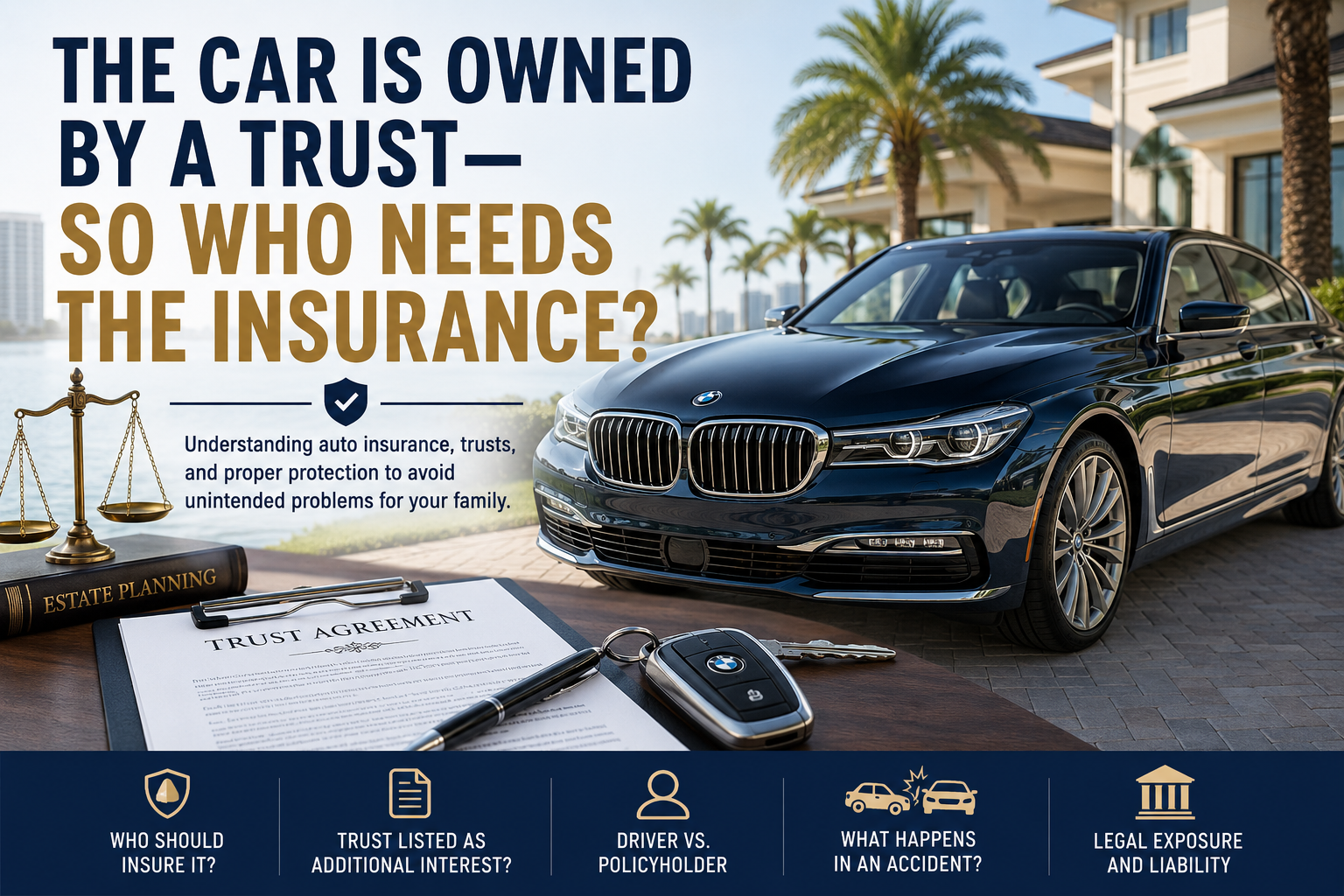
A car titled to a trust or business isn’t insured the way you’d expect. Here’s who actually becomes the named insured — and why it matters.

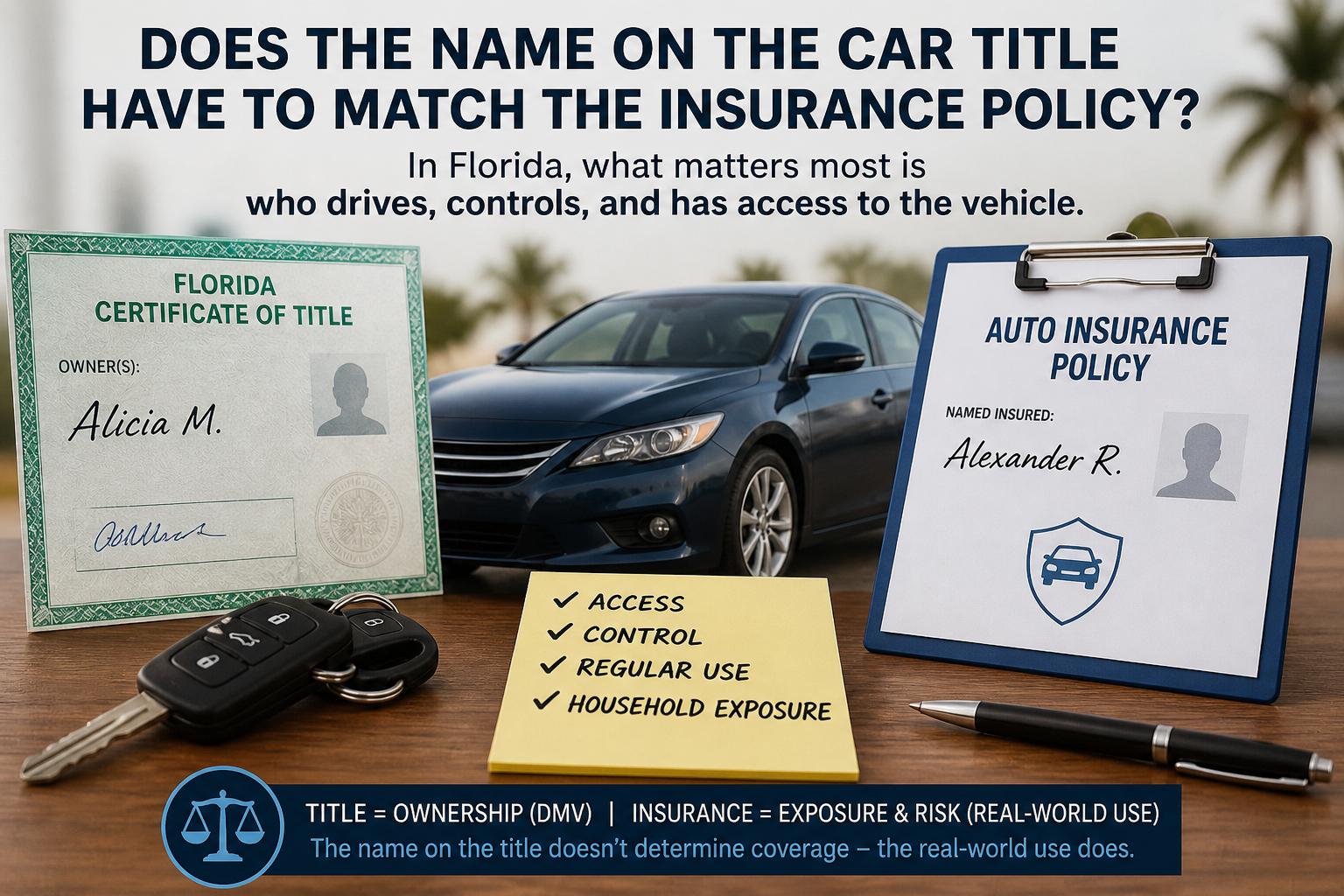
Think the insurance has to match the name on the title? It doesn’t. Here’s what actually determines who the policy needs to cover.

Think a separate policy saves money when your teen starts driving? Usually the opposite is true. Here’s when splitting policies actually makes sense — and when it doesn’t.

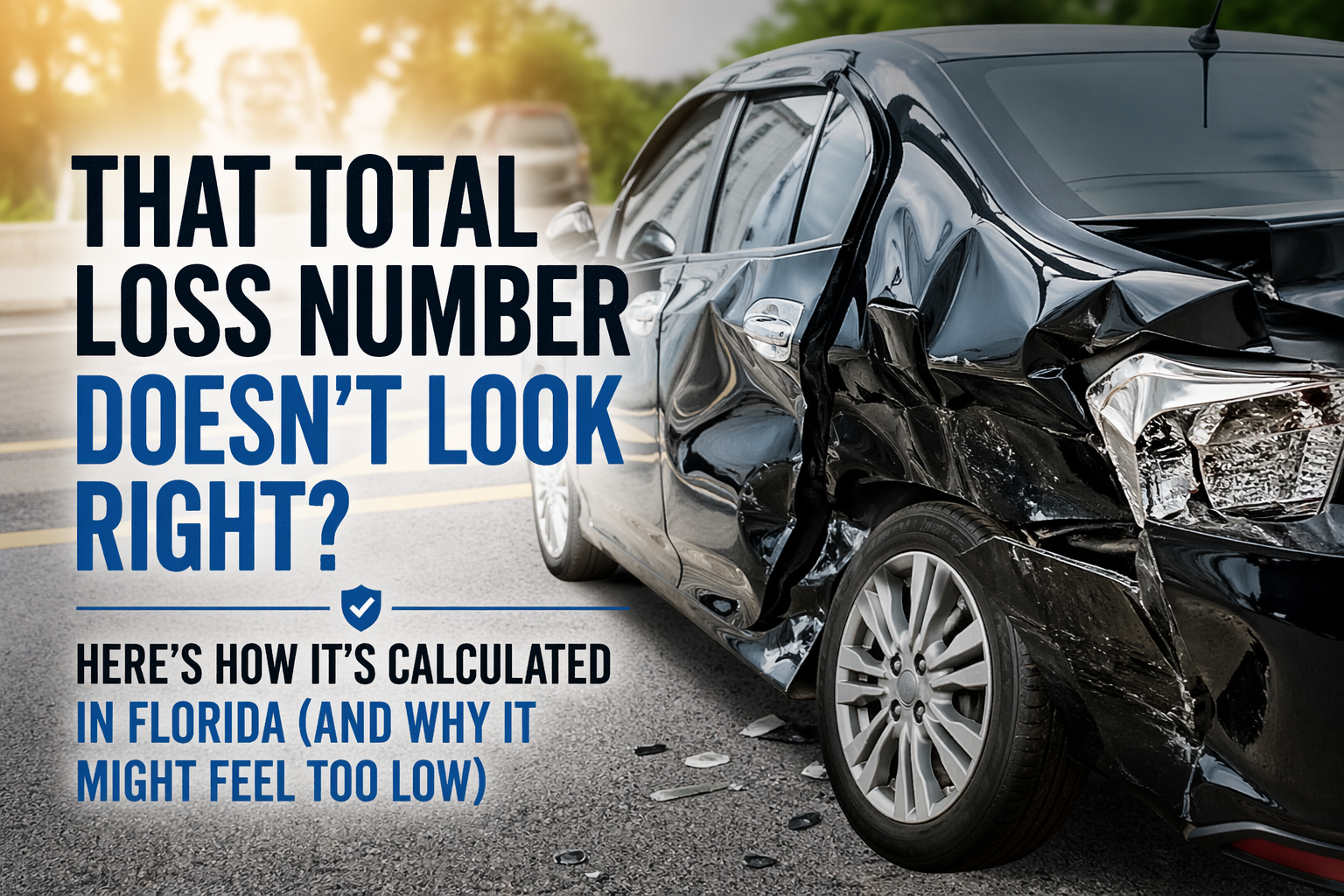
When a car’s totaled, Florida insurers must consider real market value — not just loan balance, purchase price, or book value, to determine the actual cash value payout.

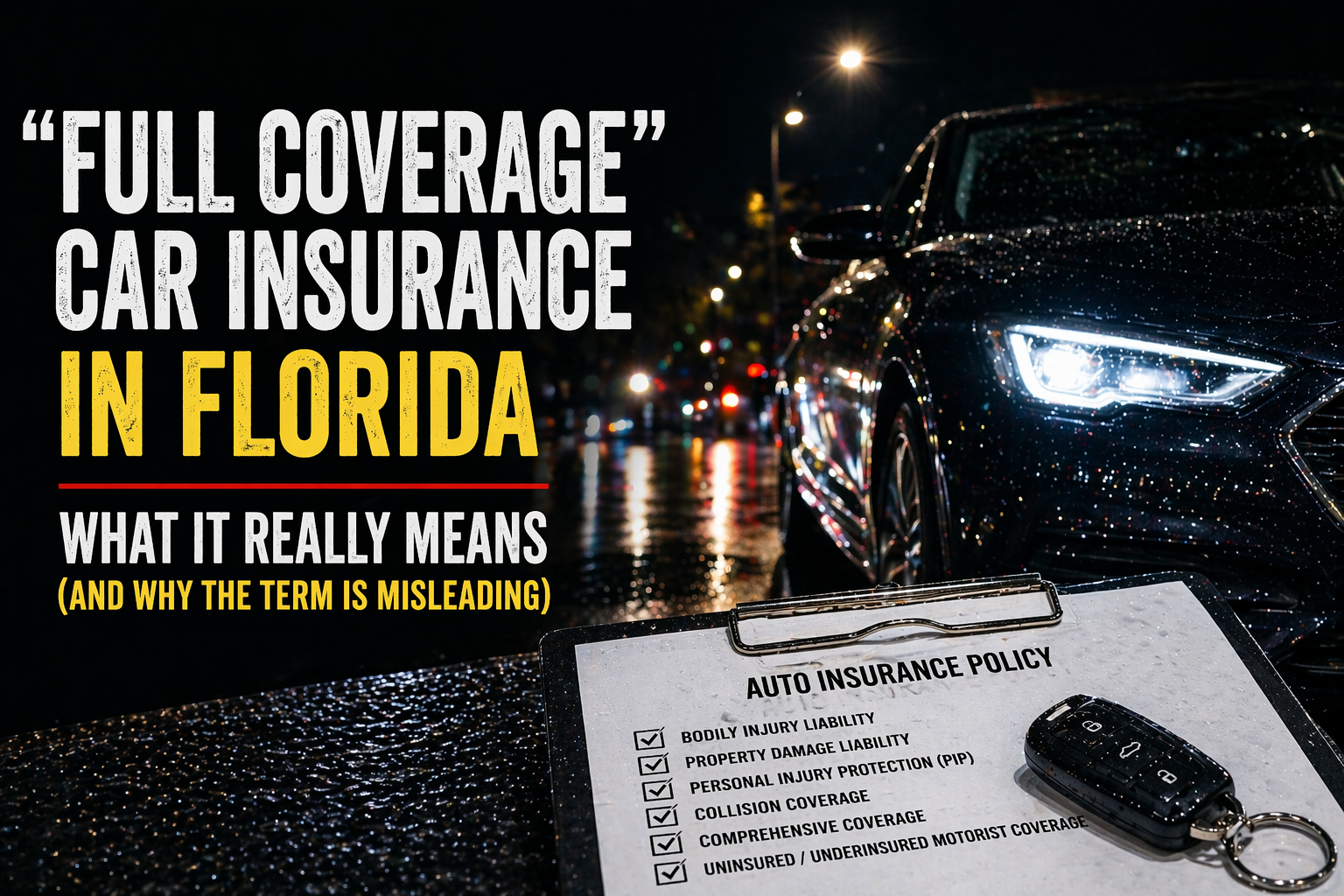
Full coverage” isn’t a real policy — it’s just shorthand for a mix of coverages like liability, collision, and comprehensive. What actually matters is knowing what’s on your policy and at what limits, not the nickname people use for it.

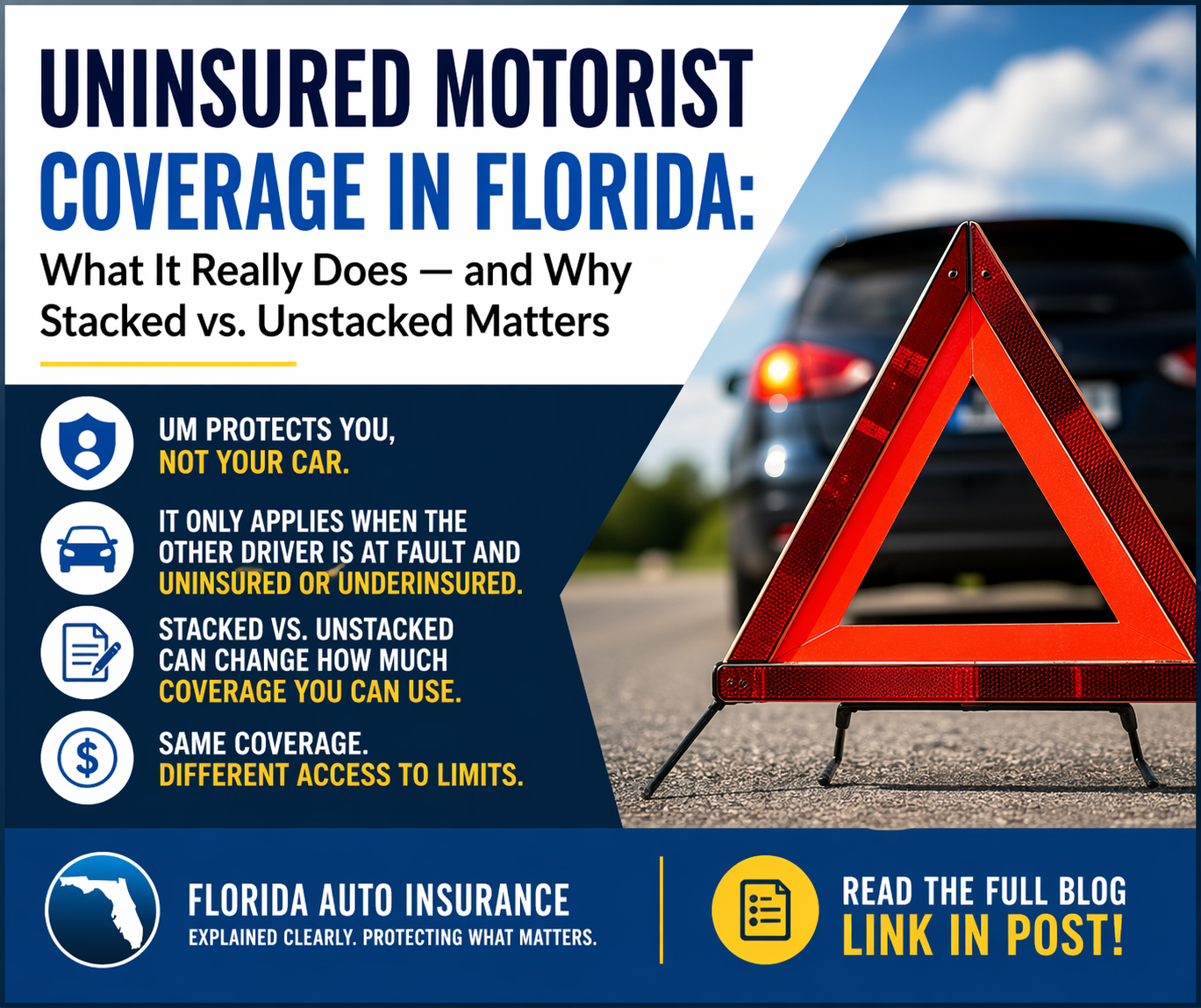
Uninsured motorist coverage doesn’t repair your car — a common misconception. It protects you and your family when the other driver can’t cover what they owe you for personal injuries.

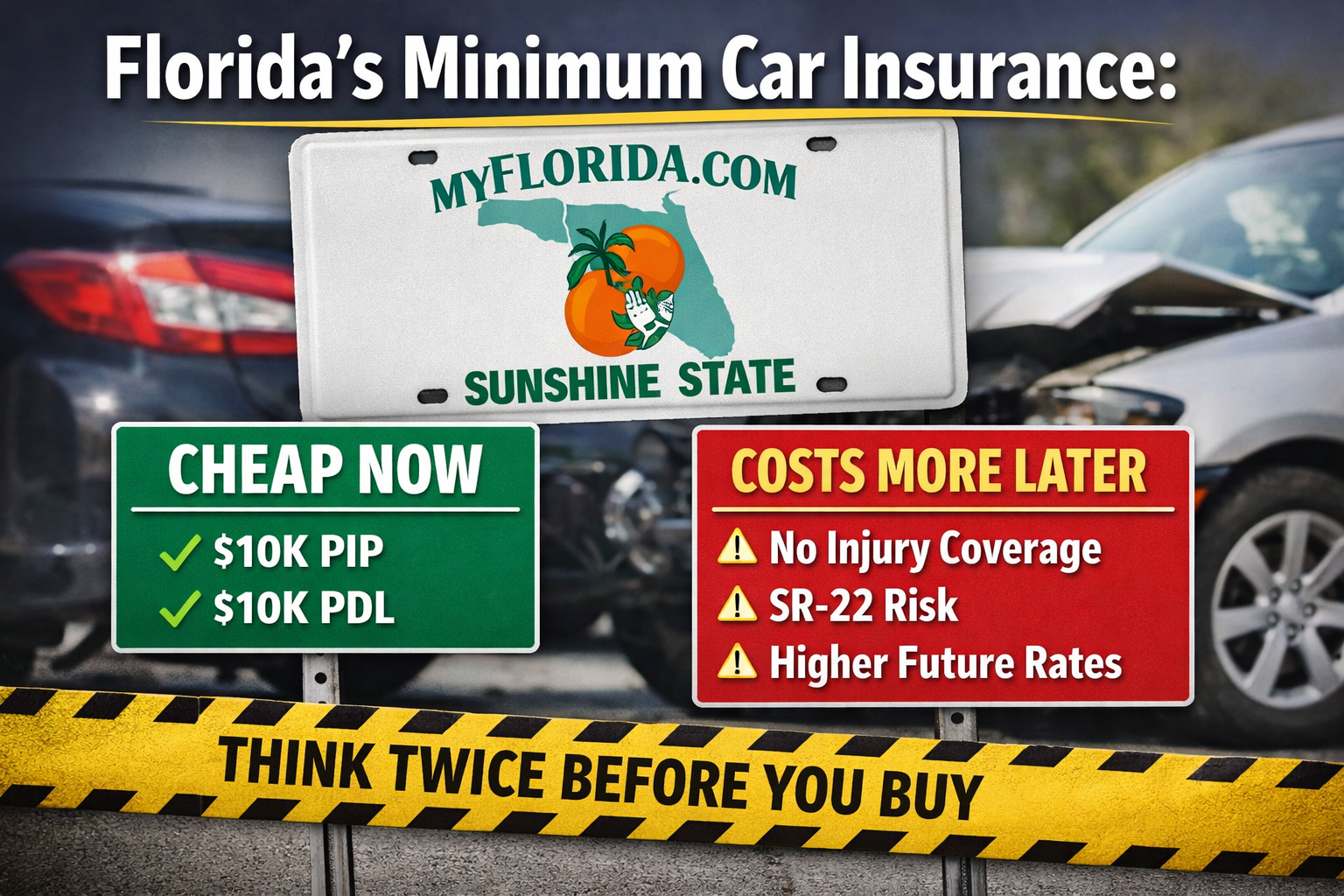
Florida’s legal minimum looks cheap, but skipping bodily injury liability rarely saves much upfront — and can cost more later in pricing and real exposure.

Non-owner car insurance sounds simple, but it isn’t. If you live with a car owner or have regular access to one, it may not work the way you think.

Archived post — this piece was written to promote a specific Operation Green Light window in Miami-Dade County that has since closed.

Moving your kid to college in Florida? Their car insurance needs to match where the car actually lives — not your home state’s ZIP code.

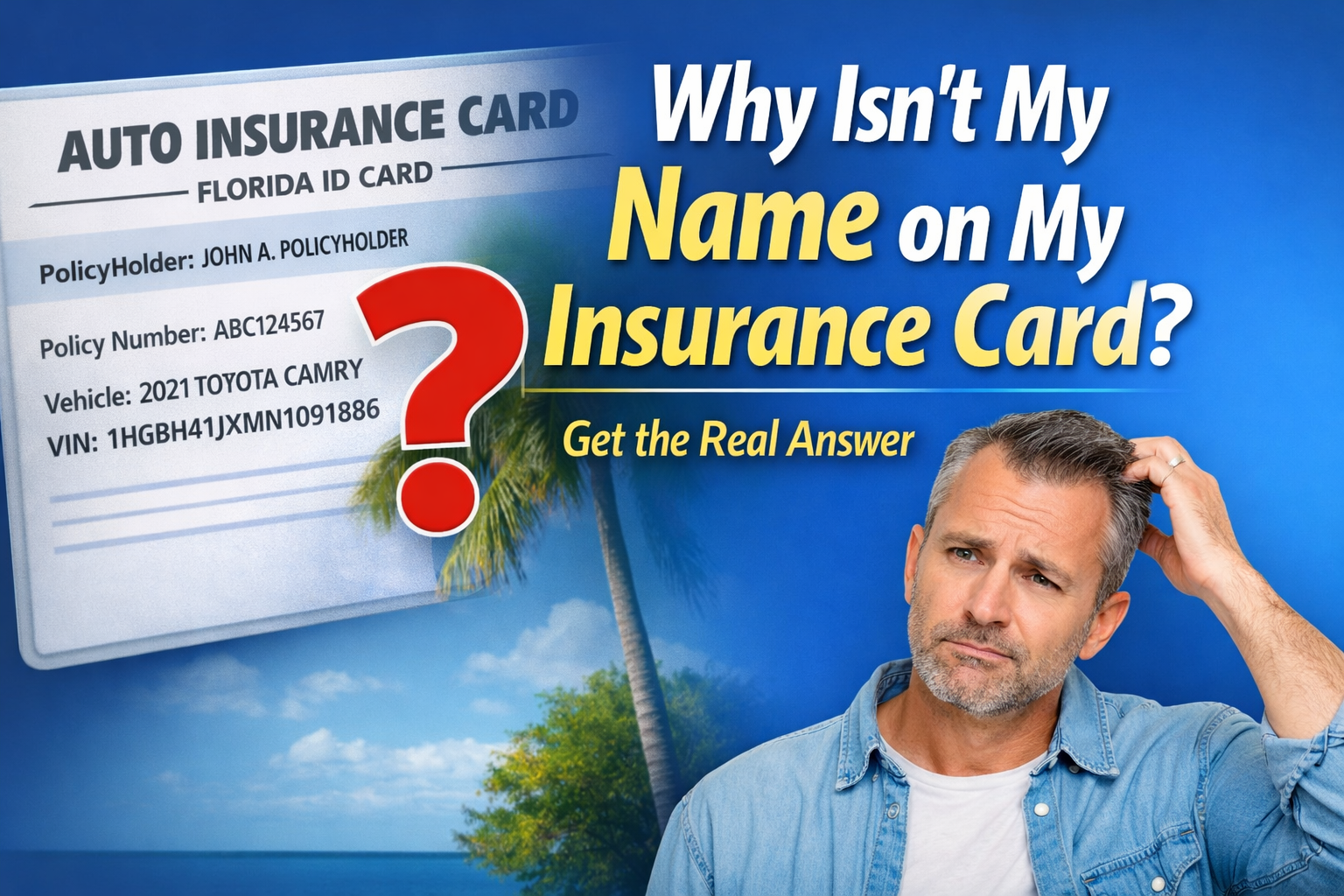
f your name isn’t on the insurance ID card, that’s usually normal — the card only lists the policyholder. Your full list of covered drivers is on the Declarations Page instead.

Car insurance often jumps when a teen gets licensed — not from a ticket or accident, but because insurers move them from an unrated permit driver to a fully rated one.

Archived Post – This article was written during a specific window when Progressive was issuing a court-mandated rebate to Florida policyholders. That rebate period has since ended.

Modern vehicles quietly collect driving data — braking, speed, sometimes location — often without drivers realizing it. That data can shape your insurance pricing, separate from any ticket or accident.

Modern cars crash less—but cost more to fix. Collision coverage isn’t rating your driving. It’s pricing today’s repair bills for tomorrow’s smarter, pricier vehicles.

Jacksonville’s sprawl and bridges shape claims on their own. With an FR-44 filing, how a policy’s structured and placed matters more than the lowest quote.

Archived post: written before Florida’s Feb 6, 2026 shift to English-only license testing. Guidance still holds, but confirm current DMV requirements before test day.

Most insurance problems don’t come from bad decisions — they come from reasonable-sounding assumptions. Real client stories on why checking in on your policy matters.

Orlando’s traffic, tourism, and construction shape claims beyond driving records. With an FR-44 filing or lapse, structure and carrier fit matter more than the lowest quote.

Florida premiums aren’t just about your driving record. ZIP codes capture traffic, theft, weather, and litigation trends that shift your rate — even with a clean history.

A doctor’s advice not to drive doesn’t cancel your Florida policy — but ignoring how it connects to your license status and coverage can cause problems.

Not always reportable. Minor damage, no injuries, no claim—often nothing to report. But calling ‘just to be safe’ can still create a record, even without a payout.

In Tampa Bay, your rate isn’t just about driving record—it’s shaped by prior coverage history, timing, and gaps. How your policy’s structured matters more than the lowest quote.

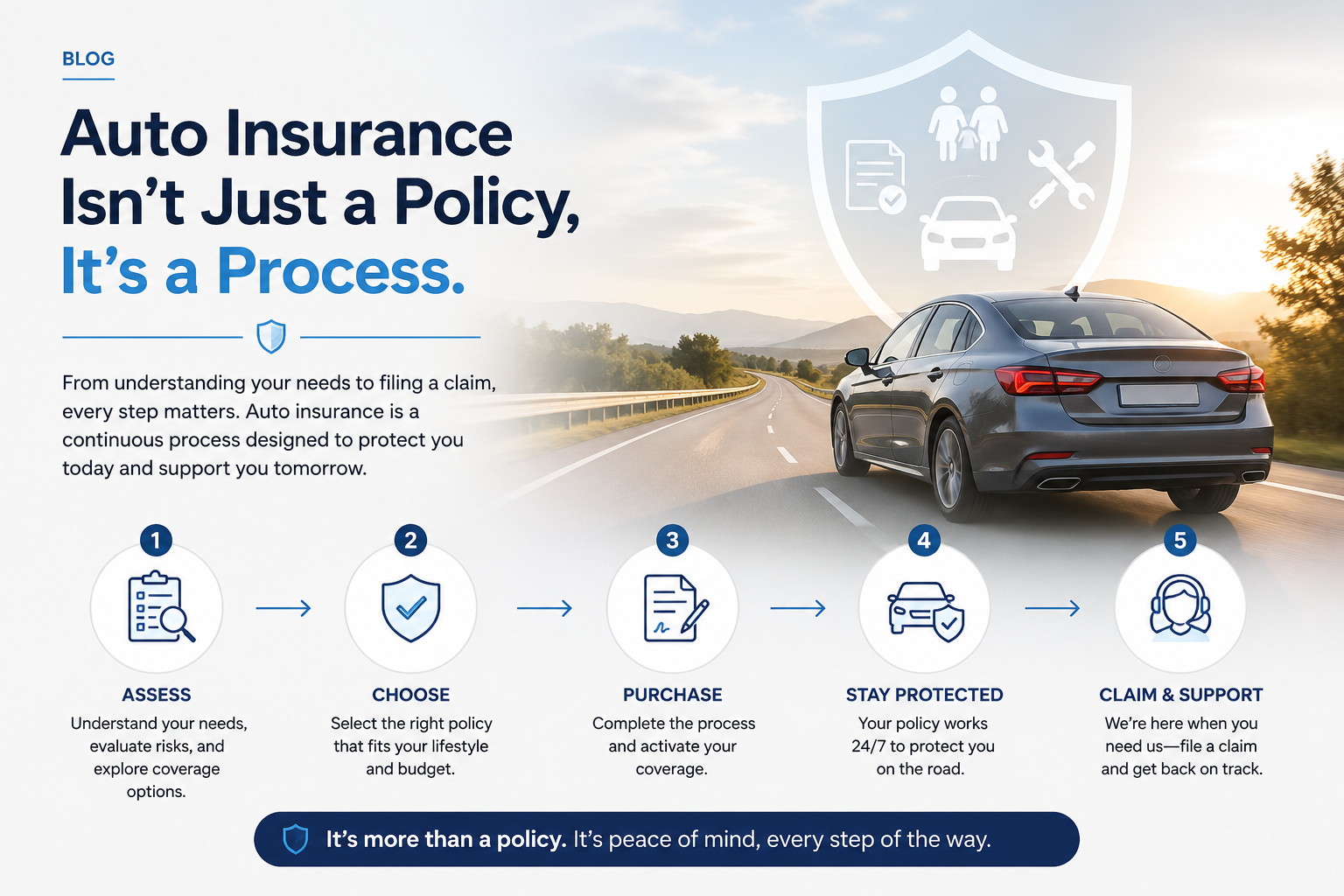
Auto insurance isn’t just a policy — it’s a process. Here’s why the drivers who understand that end up paying less over time.

Florida rates aren’t just about driving record, car, or age. Insurers weigh credit-based scoring, old C.L.U.E. claims, household drivers, payment history, and ZIP code—rarely explained upfront.

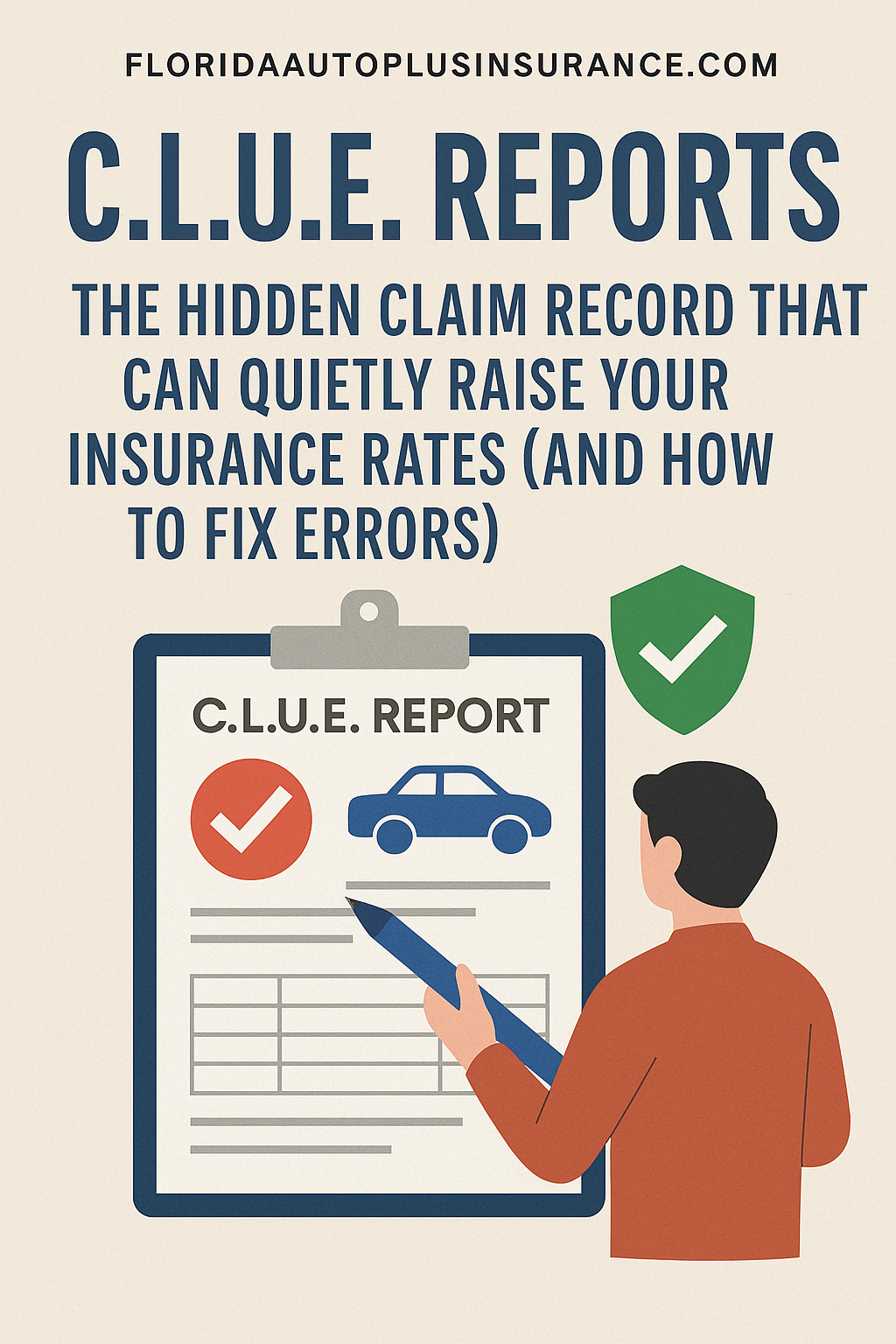
A C.L.U.E. report shapes your rate — and errors like duplicate claims or wrong at-fault info can raise it for years unnoticed. You’re entitled to a free copy annually, and mistakes can be corrected.

Archived: written to announce Progressive’s Remote e-Sign rollout. Features may have changed since publication—call or text 305-796-2968 to confirm what’s currently available.

Every major carrier’s telematics program — Snapshot, Drivewise, DriveEasy, RightTrack, Drive Safe & Save — works the same way underneath the branding: watch your driving, then price it.

Most agents juggle everything. I don’t — I specialize in Florida auto insurance and FR-44 filings, because that focus means faster service and fewer costly mistakes.

Auto insurance quotes aren’t random. Every carrier pulls background reports the moment you ask — and those reports explain why one quote is $178 and another is $431.

Florida and Virginia are the only states requiring a separate FR-44 filing after certain DUI convictions. Here’s why it exists, why it’s lasted 15+ years, and what it actually does.

Florida quotes aren’t fixed — they shift with timing, driving record changes, and market conditions. Shopping weeks ahead of renewal, not reacting to the bill, gets the better outcome.

Archived post: This was written ahead of 2026’s shifting market and rebate timing. Some specifics may be outdated now, but the guidance on renewal timing still holds up.

Every Florida renewal seemed to climb higher — until 2025, when that trend finally reversed. Here’s what changed, and what it means next time you shop.

Archived post: discussed Progressive’s potential excess profits credit for 2023–2025 accident years, later confirmed. See the updated post for current details.